Iran – Land of History, Culture, and Diverse Nature
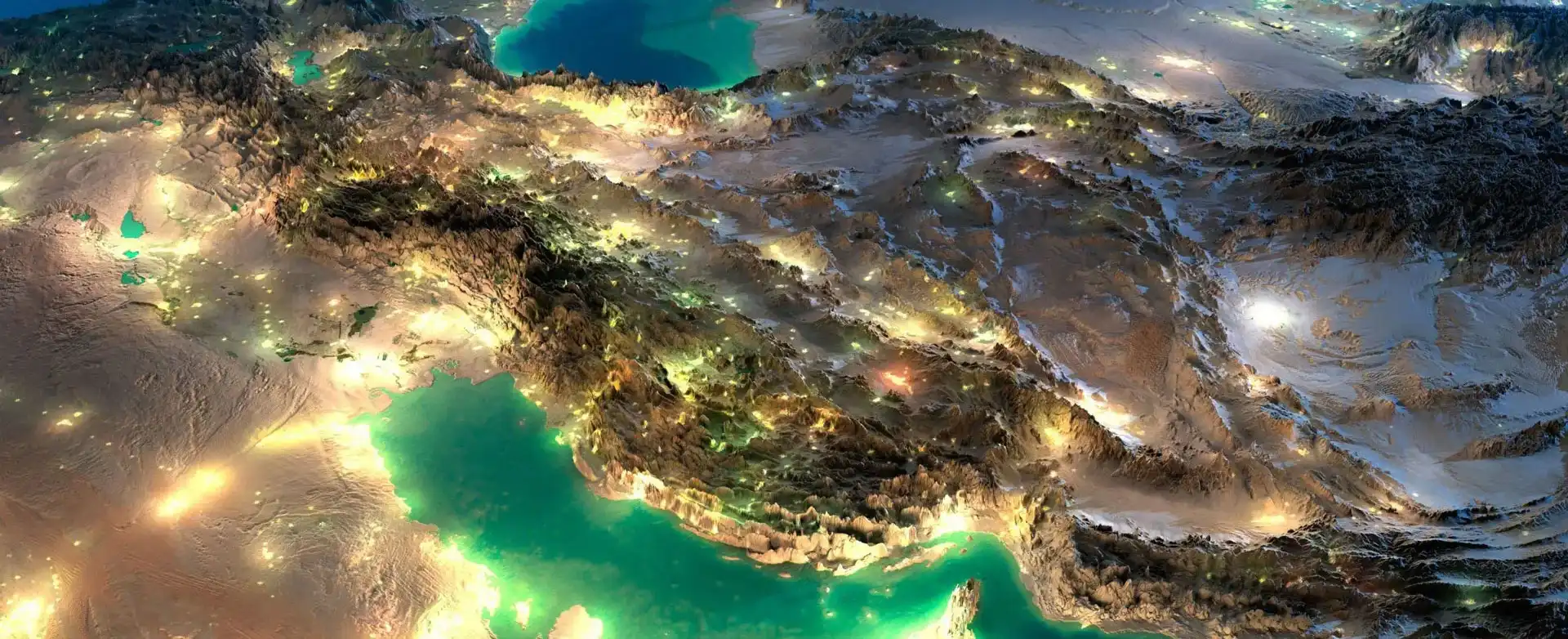
Iran, located in Southwest Asia and the Middle East, covers an area of approximately 1.648 million square kilometers, making it one of the largest countries in the region. It shares borders with Azerbaijan, Armenia, and Turkmenistan to the north; Afghanistan and Pakistan to the east; Turkey and Iraq to the west; and the Persian Gulf and the Gulf of Oman to the south. Iran also boasts extensive coastlines along the Persian Gulf (about 1,600 km) and the Caspian Sea (about 900 km).
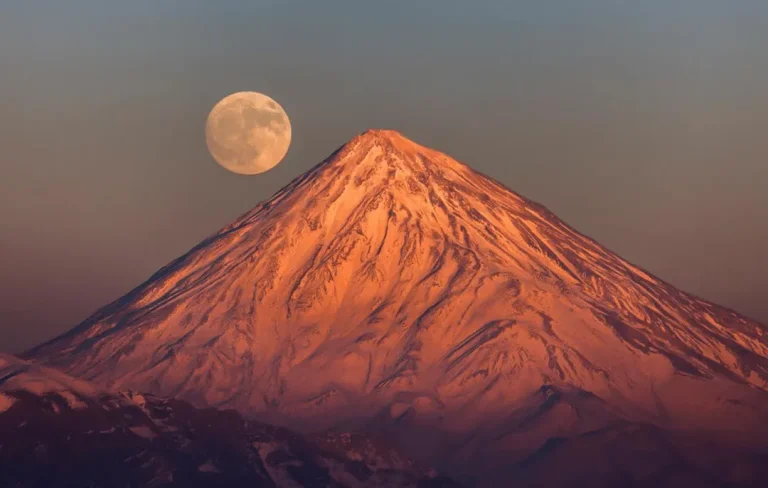
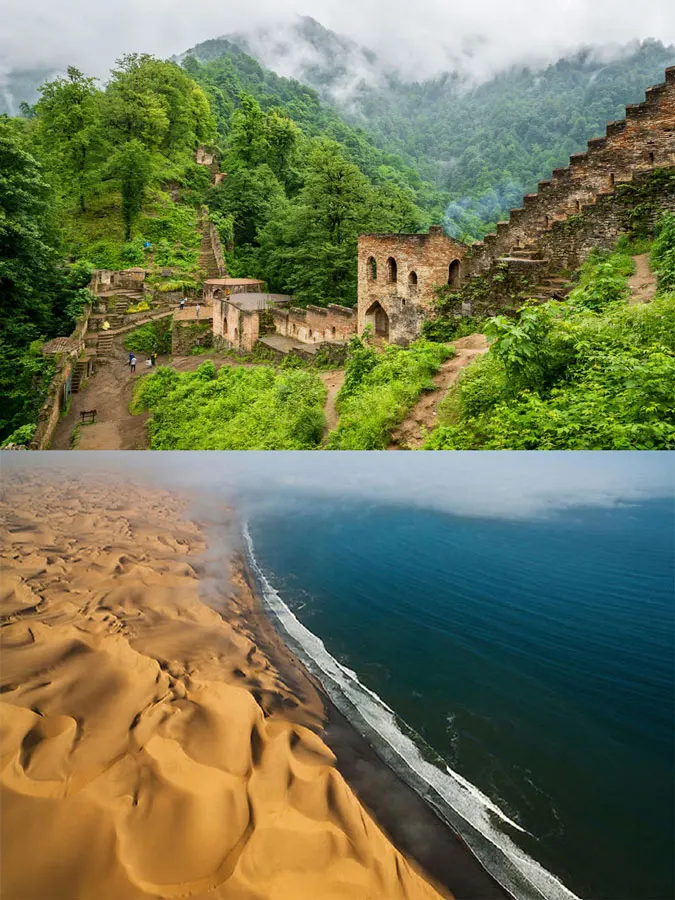
The country’s geography is remarkably diverse. The Alborz mountain range stretches across northern Iran from east to west, with Mount Damavand (5,610 meters), the country’s highest peak, standing prominently. The Zagros mountains run through western and southwestern Iran, surrounding the central plateau. This plateau, with an average elevation of 1,200 to 1,600 meters, includes vast deserts such as the Lut Desert and the Central Desert, known for their dramatic landscapes and arid to semi-arid climate.
Iran is enriched by a network of rivers and lakes. Major rivers include the Karun, Karkheh, Zayandeh Rud, Helmand, and Aras. Natural lakes such as Urmia, Hamun, and Chalidareh, along with diverse wetlands, serve as important habitats for birds, plants, and wildlife. The country’s climate ranges from Mediterranean and mountainous to desert and semi-arid regions.
With a population of approximately 85 million, Iran’s population density varies widely, with major urban centers like Tehran, Mashhad, Isfahan, Shiraz, and Tabriz hosting the largest concentrations. The population consists of diverse ethnic groups, including Persians, Turks, Kurds, Baluchis, Arabs, Turkmens, and other minorities, each preserving its own language, culture, and traditions.
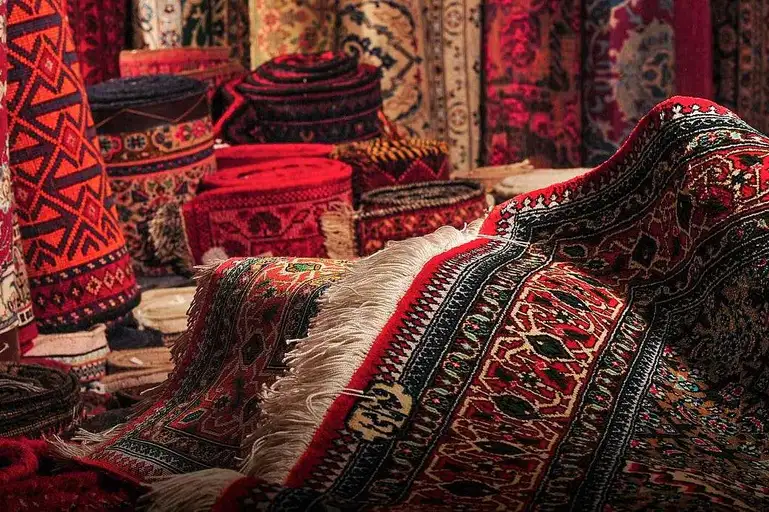
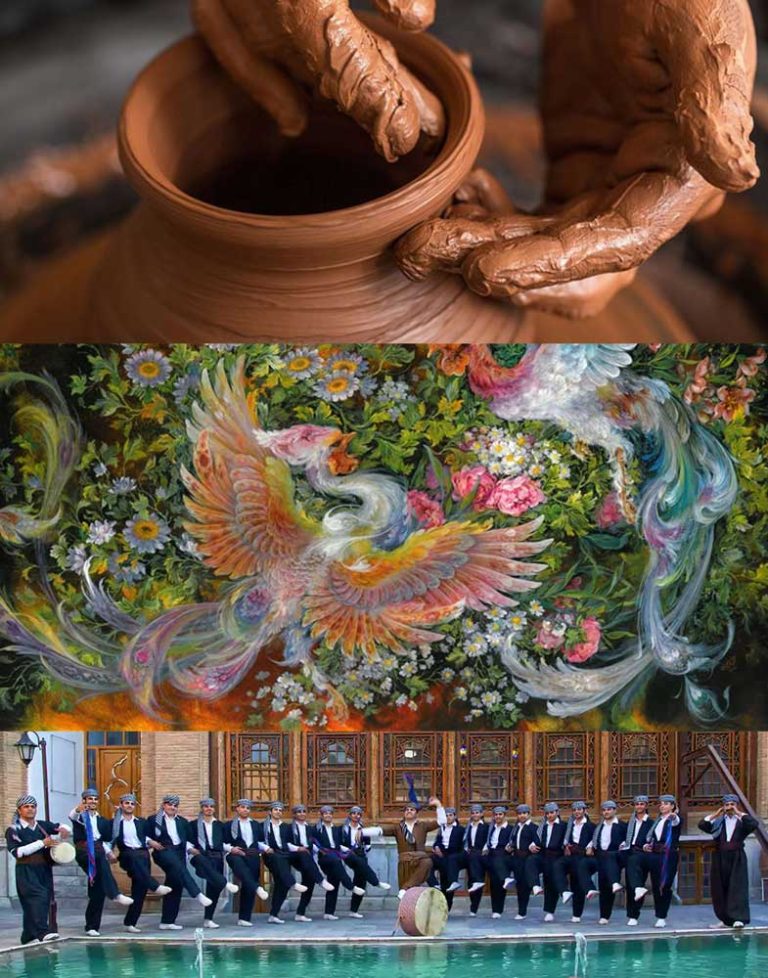
Iranian culture reflects a deep synthesis of history and modernity. The official language, Persian, alongside rich literature and traditional arts such as carpet weaving, miniature painting, calligraphy, and music, conveys Iran’s cultural identity to the world. Social customs, festivals, and national ceremonies like Nowruz, Yalda, and Mehregan represent living symbols of Iranian heritage.
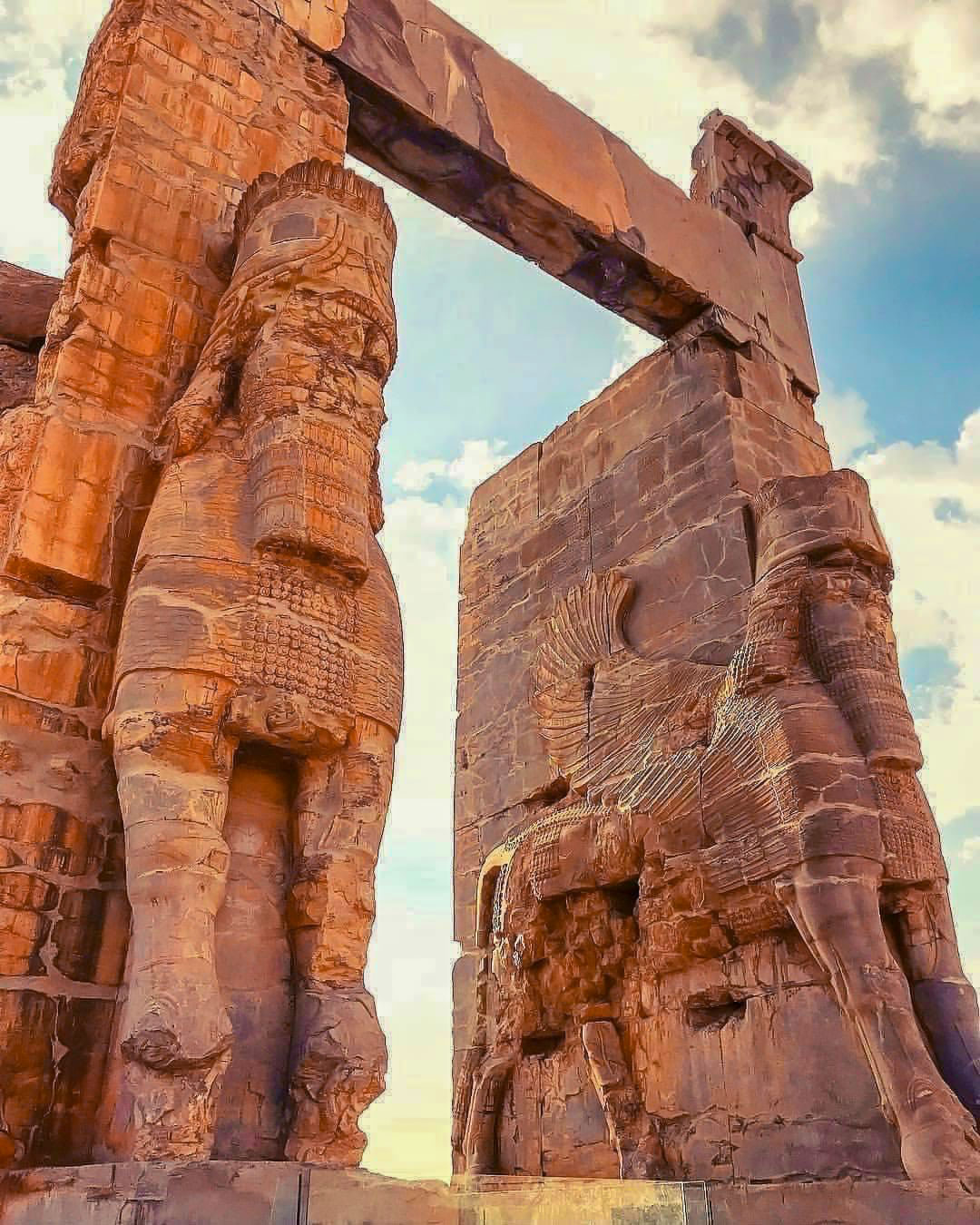
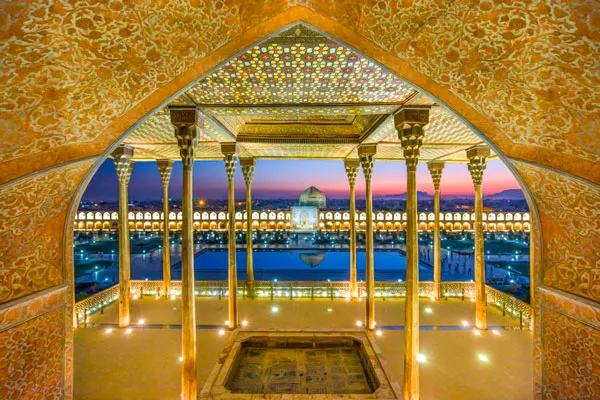
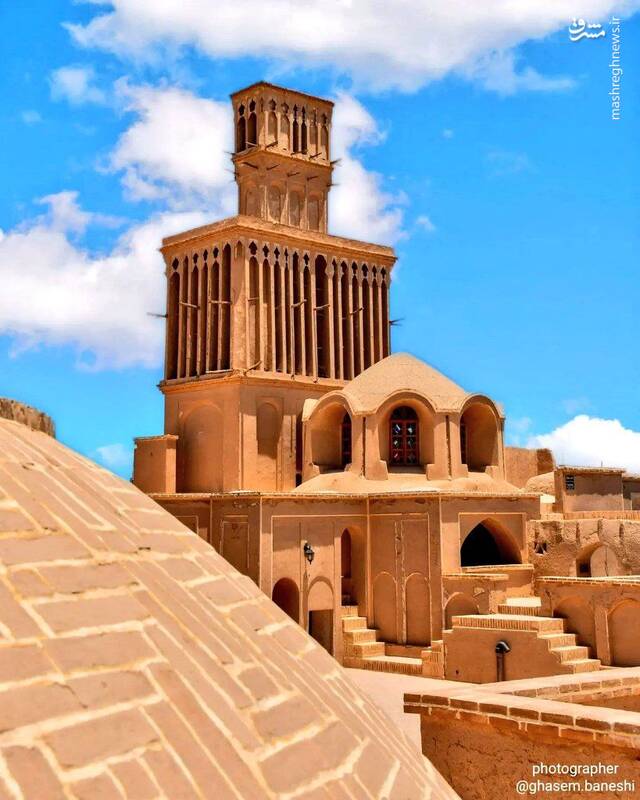
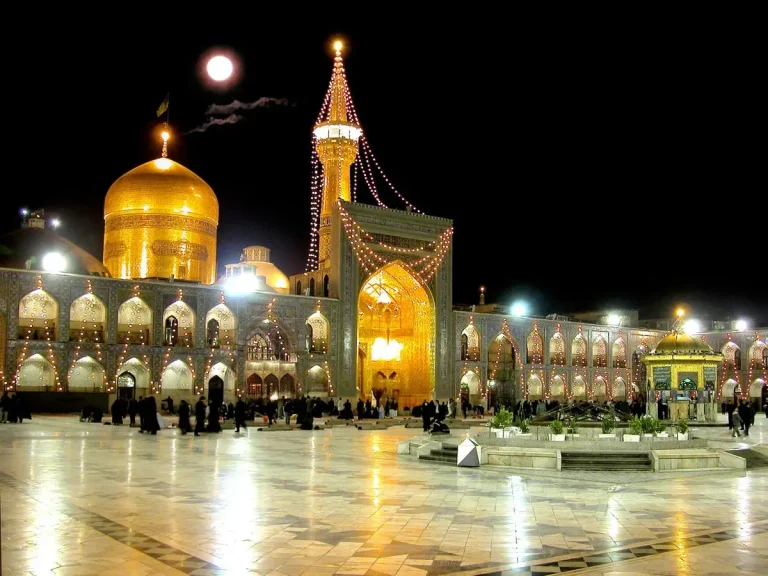
With over five millennia of history and a rich cultural legacy, Iran is home to outstanding archaeological and architectural landmarks, including Persepolis, Pasargadae, Naqsh-e Jahan Square, and the wind towers of Yazd. The country offers a unique combination of nature, culture, history, and human diversity, making it a compelling destination for tourists, scholars, and investors alike.